TikTok's financial misrepresentation policy explained. Your Lambo, 'guaranteed returns' and earnings screenshot are three reasons ads get rejected.
The Rise of the 'FinFluencer', and Why TikTok Is Watching Them So Closely 👀

So, you're scrolling TikTok and there it is: someone in a penthouse apartment telling you their dropshipping course made them $40K last month, with screenshots to prove it.
Or a crypto guy filming from a sports car, promising “passive income” from a trading bot.
Or a financial coach whose ad literally opens with “I used to be broke too...”
(we heard that so maaaany times)

This is finfluencer culture, and it's become one of TikTok's biggest compliance headaches. We see it a lot back-end during moderation.. and let’s say it’s not one of our favourites to review due to the amount of by-pass tricks some of these creators partake in to avoid being flagged (crypto bros, we’re looking at you!). But that’s a different conversation for another day! 🫣
Not because financial content is inherently bad, but because the gap between compelling financial storytelling and outright deceptive advertising is often just one claim, one unverified screenshot, or one missing risk disclaimer.
TikTok's Deceptive Practices advertising policy (last updated August 2025) exists to protect users from exactly this kind of content.
If you're advertising financial products, services, or education, or you're a creator partnering with brands in this space, this policy is the one that will catch you off guard if you haven't studied it . In this article, we will explore examples (work of fiction of course, but common failed ads we’ve seen before that never passes the threshold. Bookmark this article as you might find yourself coming back here again!)👆
What Does TikTok's Deceptive Practices Policy Actually Cover?

TikTok's Deceptive Practices policy prohibits behaviours that are misleading, inauthentic, and deceptive. Its financial misrepresentation section is the part that matters for finfluencers. It overlaps with the platform's Financial Services policy, but the two do different jobs.
While the Financial Services policy governs what financial products can be advertised and where, the Deceptive Practices policy governs how any financial product, course, or service can be presented. Here is how the rules we cover below break down, and, importantly, where each one actually comes from. Not everything finfluencer-related is on the Deceptive Practices page itself, and I'd rather be honest about that than let you think it is:
| Policy Area | What It Covers | Where It Comes From |
|---|---|---|
| Unrealistic expectations | Unrealistic expectations about effectiveness, exaggerated financial gain, and ambiguous claims on how to get rich | Deceptive Practices (financial misrepresentation) |
| Guarantees of winning | Any promise that a financial win is certain | Deceptive Practices |
| Flaunting or showing off money | Wealth displays used to imply a product's results | Deceptive Practices (listed as not allowed in the August 2025 version) |
| Leaving out the risk | Ads that don't mention the risk associated with a product or service are treated as misleading | Deceptive Practices |
| High-volume identical content | Distributing identical or similar content across one or multiple accounts | Deceptive Practices (financial misrepresentation) |
| Undisclosed commercial relationships | Sponsored content presented as independent personal advice | TikTok's Branded Content Policy, not the Deceptive Practices page |
| Bait-and-switch framing | Ad promises something specific that the landing page doesn't deliver | Ad Format policy (CTA must match the landing page) and Misleading and False Content |
| Fake social proof and misleading visuals | Fabricated testimonials, purchased reviews, fake play buttons, edits that misrepresent results | My read of where reviewers draw the line. Not named on the Deceptive Practices page |
The 7 Most Common Financial Misrepresentation Violations on TikTok
1. Displaying Unverified Earnings Screenshots
Perhaps the single most common deceptive practice in financial advertising: showing a screenshot of a brokerage account, Stripe dashboard, or PayPal balance as “proof” that a method works.
Screenshots aren't named on TikTok's Deceptive Practices page, but exaggerated financial claims and unrealistic expectations are, and a screenshot is the most popular way to make one. Even if the screenshot is real, it's risky unless the claim is substantiated, clearly labelled as atypical, and accompanied by proper risk disclosure.
A cherry-picked screenshot of one good month presented as a typical outcome = policy problem.
Compliant alternative: “Individual results vary. Our average member [Insert average metric with source]. See full disclosure at [link].”
2. Passive Income and “Easy Money” Language
Phrases like
“make money while you sleep,”
“automated income,”
“copy my strategy in 10 minutes for a guaranteed payout,” or
“zero effort and guaranteed returns daily”
run straight into the policy's bans on unrealistic expectations, ambiguous claims on how to get rich, and guarantees of winning. They imply guaranteed outcomes with minimal risk or effort, which is inherently misleading for any financial product.
Prohibited language examples:
- “This bot made me $3,000 last week, fully automated”
- “Copy my portfolio and earn passive income without lifting a finger”
- “Just 30 minutes a day to financial freedom”
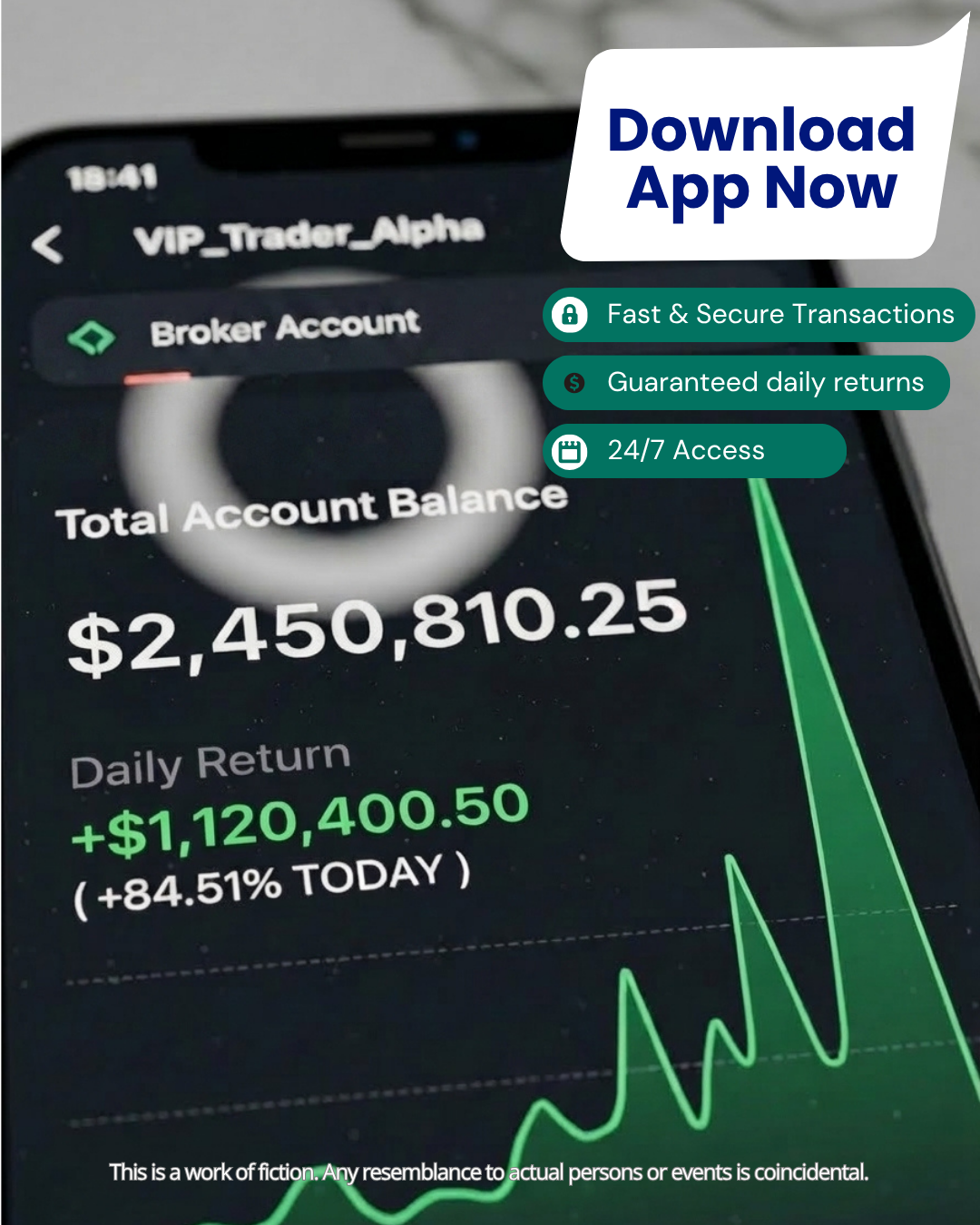
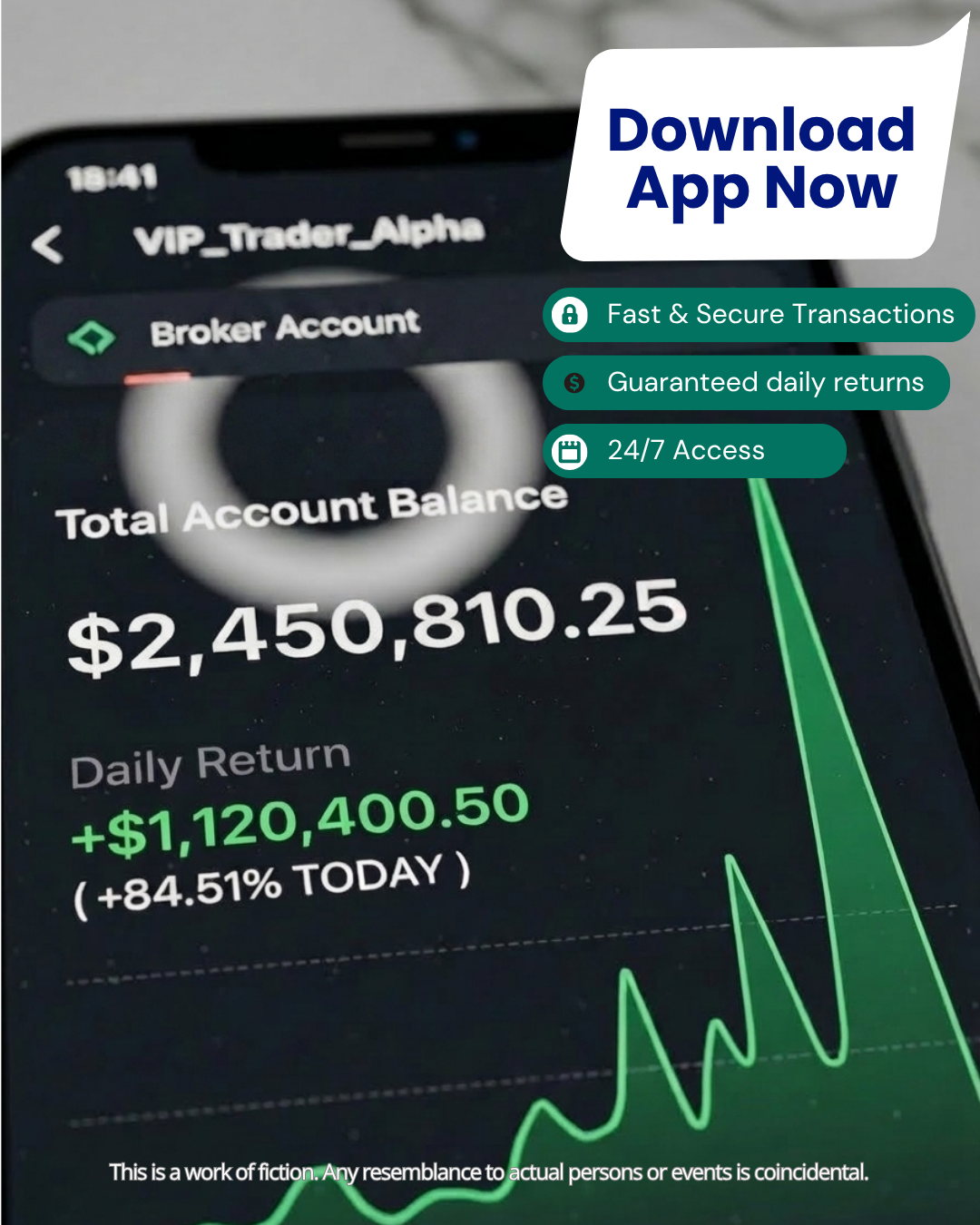
Here’s an example of an image (work of fiction) that is not okay and would be flagged for a violation of Financial Misrepresentation.
Why would this ad fail? 😰
This ad features a broker account screen showing a $2.4 million balance alongside a single-day return of +84.51% (that's $1,120,400.50 in one day), topped off with a “Guaranteed daily returns” promise that TikTok's financial misrepresentation rules were written specifically to shut down.
The policy explicitly prohibits unrealistic expectations about a service's performance, ambiguous claims on how to get rich, flaunting or showing off money, and guarantees of winning. The visual, the numbers, and the promise work together as a textbook deceptive framing package, the kind that erodes user trust at scale and triggers enforcement fast.
This ad fails on multiple counts simultaneously, and no amount of creative presentation changes that. Sadly.
3. Flaunting Money and Lifestyle-as-Evidence Framing
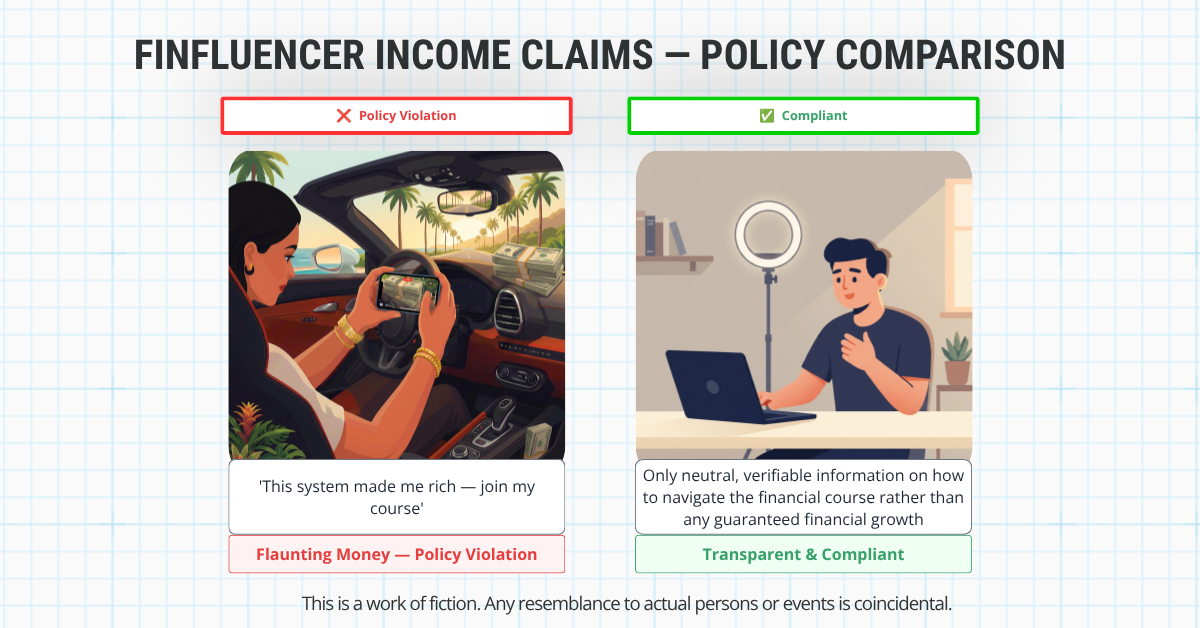
Filming from a Lamborghini, a private jet, or a luxury apartment to imply that a financial product or course produced that lifestyle isn't just edgy creative.
It's a policy problem.
TikTok's policy lists “flaunting or showing off money” as not allowed. Lamborghinis and penthouses aren't named individually, but if the visual says “this product bought all of this,” you are squarely in that territory (that part is my read).
The visual implies the claim even when the voiceover doesn't say it directly.
4. Missing or Buried Risk Disclaimers
Any ad promoting financial instruments, investment platforms, trading systems, or financial courses should include clear risk disclosure. TikTok's Deceptive Practices policy treats ads that don't mention the risk associated with a product or service as misleading.
The policy doesn't give a number of seconds or a font size, so this part is our rule of thumb rather than TikTok's wording: make the warning prominent, legible, and held on screen long enough to actually read. Burying it in 4-point font at the bottom of a 3-second frame is as good as having no disclaimer at all.
For product-specific risk warning expectations, see TikTok's Financial Services policy.
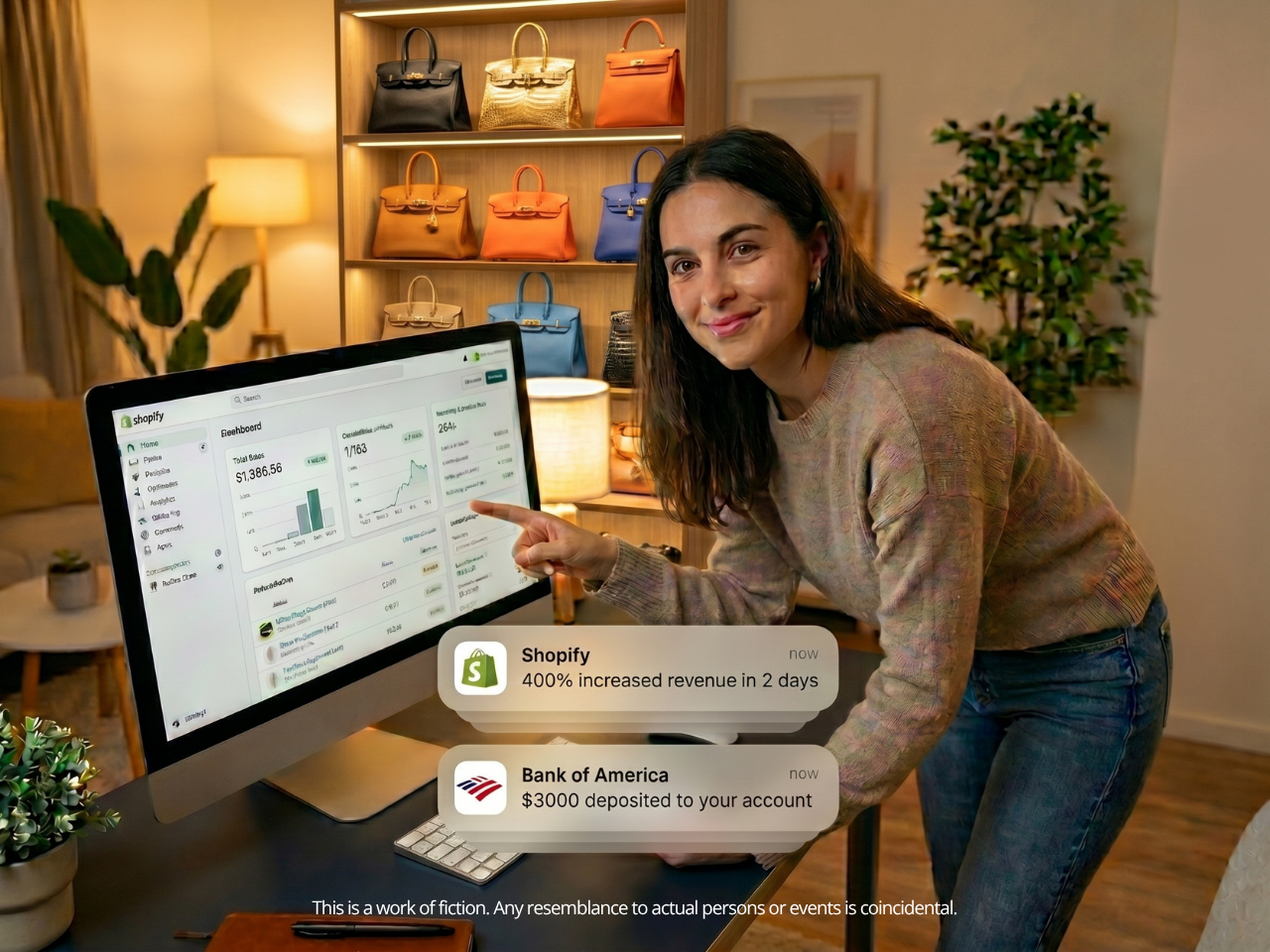
Here’s an example of an image (work of fiction) that is not okay and would be flagged for a violation of Financial Misrepresentation for lack of risk disclosure:

5. Promoting Unlicensed Financial Advice as Personal Recommendation
Presenting advice that constitutes regulated financial guidance (“buy this stock,” “put your savings in this crypto”) while advertising without the required regulatory authorisation is a compound problem: it runs into the deceptive-claims rules, and into the licensing requirements in TikTok's Financial Services policy for your market.
Regulators such as the FCA (UK), SEC (US), and ASIC (Australia) all require that investment advice given to a public audience be provided by authorised firms or individuals. TikTok's financial ad rules sit on top of those local requirements, so you have to satisfy both.
6. Undisclosed Paid Partnerships in Financial Content
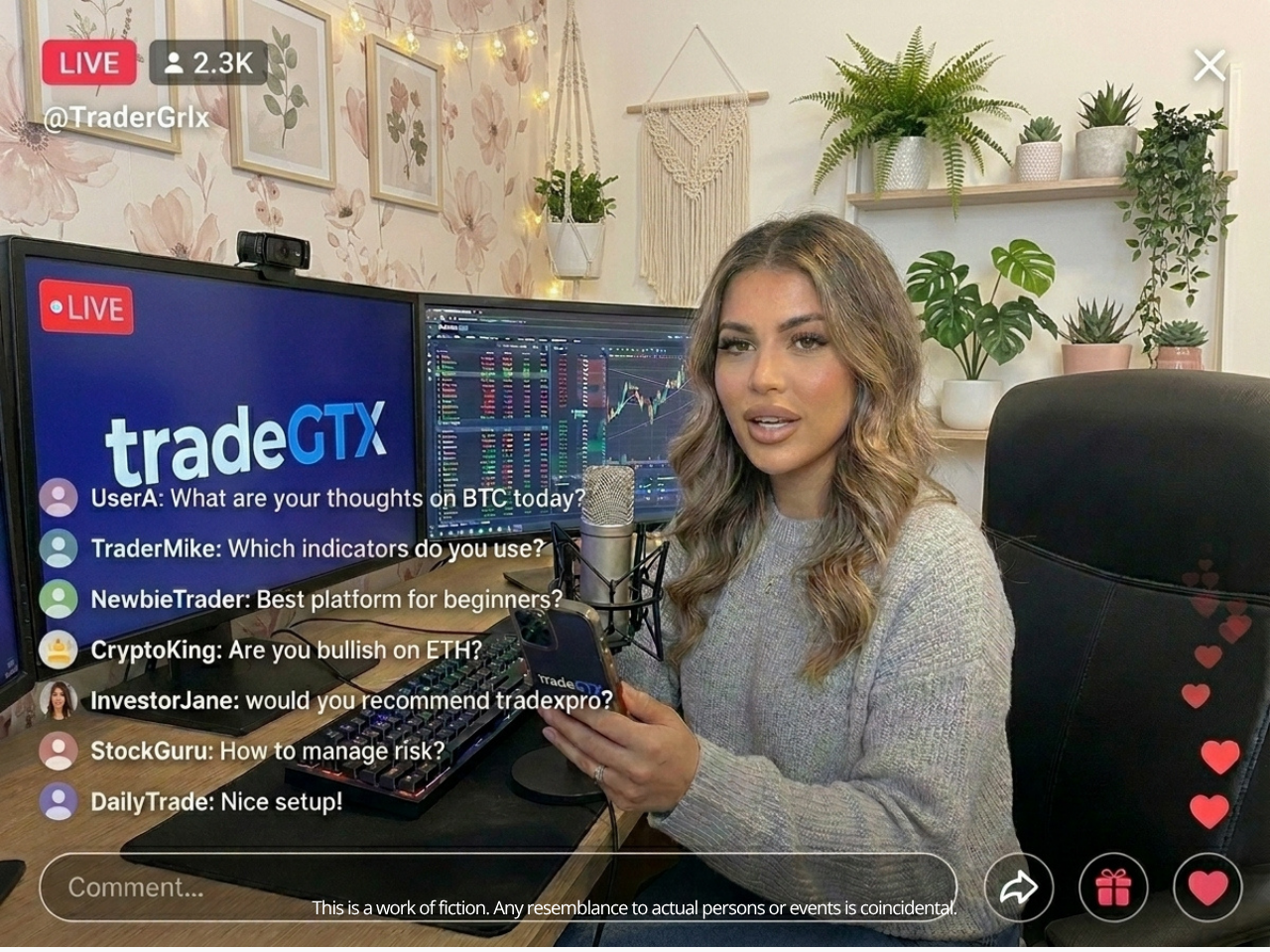
A finfluencer reviewing a trading platform or investment app without disclosing that they're being paid to promote it is a problem under TikTok's Branded Content Policy. That's the rule that covers paid partnerships, not the Deceptive Practices page. In the financial space, regulators such as the FTC, FCA and ASIC also expect paid promotion to be disclosed, so the legal risk stacks on top of the platform risk.
7. Government Benefits? Too good to be true.
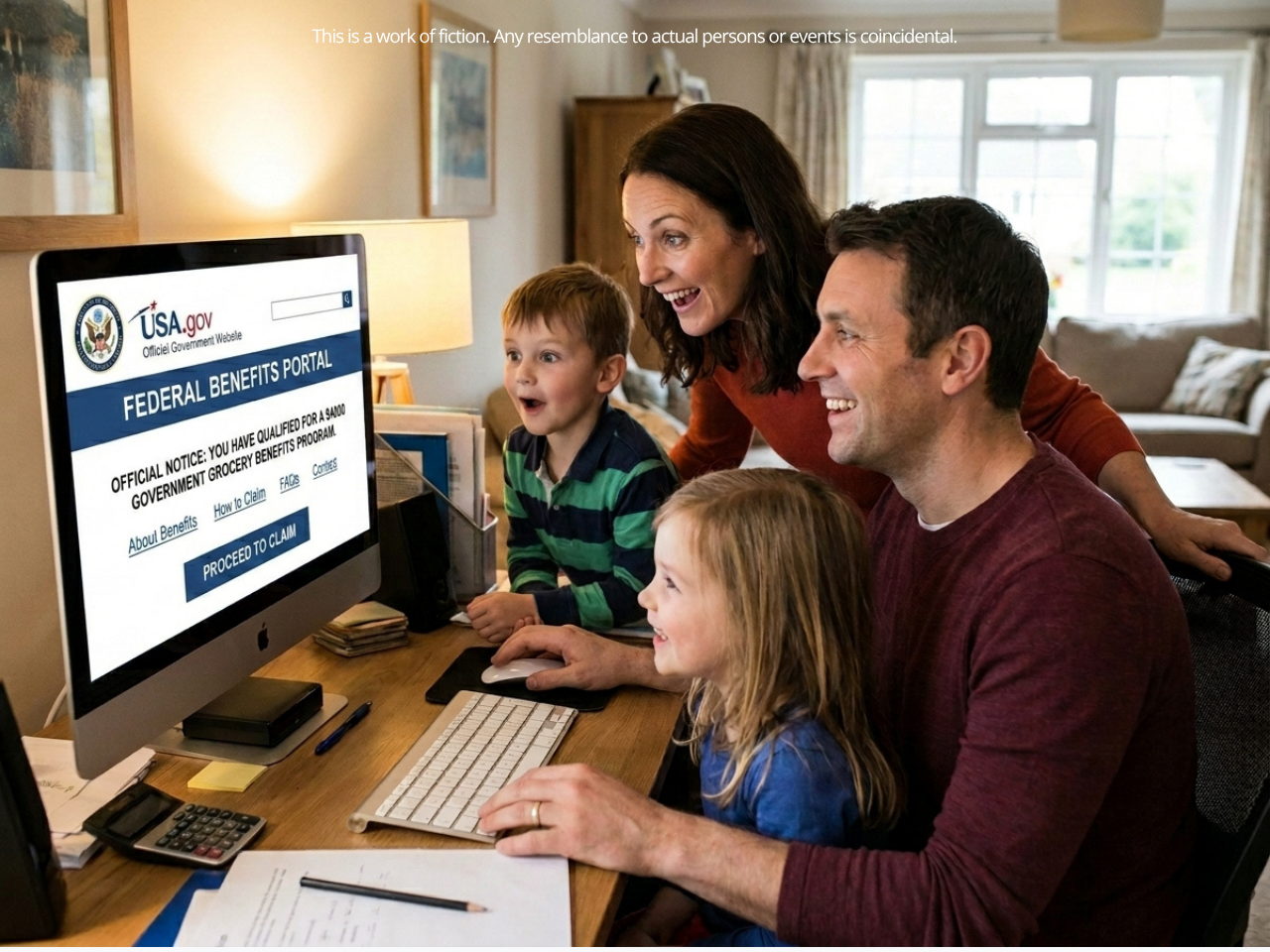
Ads that manipulate public trust by promising guaranteed, effortless access to emergency aid, such as immediate grocery subsidies, violate TikTok’s financial misrepresentation rules because they cross the line from informative promotion into predatory deception. The policy bars exaggerated financial gain from government benefits and unrealistic expectations, and only allows informative ads about public benefits when there is no promise of high financial gains.
Rather than functioning as transparent marketing, these high-pressure tactics are the kind of deceptive funnel that scammers use to harvest sensitive user data or trick people under false pretenses.
What CAN You Say in Financial Ads? Compliant Language Guide
| Instead of... | Say... |
|---|---|
| "Make $5,000 a month easily" | "Some members have earned up to $5,000. Results vary. See full disclosure." |
| "Guaranteed returns" | "Past performance is not indicative of future results" |
| "Join 10,000 millionaires using this system" | "Join 10,000 members learning [specific skill]. See typical outcomes at [link]" |
| "Risk-free investment" | "All investments carry risk. Understand the risks before investing." |
| "My trading bot does all the work" | "This tool assists with [specific function]. Active management required" |
| "This is not financial advice" (buried text) | Prominent, legible disclaimer visible throughout the financial claim |
What IS Permitted Under TikTok's Policy?
TikTok's Deceptive Practices policy does include a short list of conditionally permitted content, worth knowing so you understand where the line actually sits:
- Informative ads about public benefits: allowed when there is no promise of high financial gains attached
- Ads that do not guarantee a win: straightforward financial education or product information, without outcome promises, can be approved
The common thread: information without inflated expectation. Teach, don't promise.
The Financial Misrepresentation Compliance Checklist
[ ] Do all income or earnings claims represent typical outcomes, or are they clearly labelled as exceptional?
[ ] Is every financial claim supported by verifiable evidence you can produce if challenged?
[ ] Are risk disclaimers prominent, legible, and held on screen long enough to read (we aim for at least 3 to 4 seconds, our rule of thumb, not TikTok's number)?
[ ] Is the lifestyle shown in the ad (cars, homes, travel) directly and verifiably linked to the product, and not flaunting money to imply results?
[ ] Are all testimonials from real customers with signed consent and documented experiences?
[ ] If promoting a trading/investment service: do you hold the required regulatory authorisation for your target market?
[ ] Is the Branded Content toggle active for all paid creator partnerships?
[ ] Does the landing page deliver exactly what the ad promised, with no bait-and-switch?
[ ] Does any AI-generated content in the ad carry the required AIGC disclosure?
[ ] Are you avoiding high-volume copies of the same ad across one or multiple accounts?
Frequently Asked Questions
Can you show income screenshots in TikTok financial ads?
Screenshots are not named in TikTok's Deceptive Practices policy, but exaggerated financial claims and unrealistic expectations are prohibited. A cherry-picked screenshot presented as a typical outcome is the classic way to break that rule, so only use results you can substantiate, label them as atypical, and pair them with a clear risk warning.
Is "guaranteed returns" language allowed in TikTok finance ads?
No. TikTok's Deceptive Practices policy prohibits unrealistic expectations, ambiguous claims on how to get rich, and guarantees of winning. Phrases like guaranteed returns, passive income and risk-free investing fall straight into that.
Can creators show off cars, jets, or luxury lifestyles in financial ads?
Not if it implies the product paid for them. The August 2025 version of TikTok's Deceptive Practices policy lists flaunting or showing off money as not allowed. Luxury lifestyles are not named separately, but using one as evidence of a financial product's results lands in the same territory.
Does TikTok require risk disclaimers on financial ads?
TikTok's Deceptive Practices policy treats ads that do not mention the risk associated with a product or service as misleading. The policy does not set a number of seconds, so make the warning prominent, legible and long enough to read. Buried or flashed disclaimers will not protect you.
Last reviewed: 22 October 2026, against TikTok's Deceptive Practices (August 2025 version), Financial Services and Branded Content policy pages.
This article reflects TikTok's official policy guidelines as published at the time of writing. TikTok updates its policies regularly, so always refer to the TikTok Advertising Policies page for the latest information. First Review accepts no liability for changes made after publication.


