
TikTok sexually explicit vs. sexually suggestive content policy for ads: two separate violations, two separate risk levels - see what's banned and why.
"Sexually Suggestive" vs. "Sexually Explicit": The Distinction That Actually Costs You

This is the mix-up I see trip up even sharp, experienced advertisers, so let's get it straight before anything else. TikTok treats "suggestive" and "explicit" as two completely separate violations, and confusing them means you might be misjudging your own risk.
Sexually suggestive has its own specific, named list too, and don't let the softer-sounding name fool you: overtly sexual kissing, sexualized body positions, flirtatious movements, stripping or undressing, swimsuits or lingerie that expose or imply exposure of intimate areas, and suggestive text or audio. Crucially, imitating sexual positions or sexual acts lives here and not in the explicit bucket.
Sexually explicit is about receipts: actual sex acts (penetrative, non-penetrative, or oral), fetish and kink activity, nudity, plus language or audio that names or describes sexual activity, sexual body parts, or sexual products in explicit terms. Acts that are not suggestive but actually happening.
Suggestive is the tease 😏
Explicit is the act itself 💃
Both get rejected, but explicit gets zero benefit of the doubt, since it's the shorter, harder-edged list (actual sex acts, nudity, fetish content) with no "it was just a pose" defense available - therefore it is time to get a bit more familiar with this policy, especially if you are promoting dating apps, swimwear or even dancing classes!
What TikTok's Policy Actually Bans (Clothing Doesn't Save You)
Sexually suggestive content (restricted - the bigger, more commonly missed list)
| Behaviour | Banned even if fully clothed? |
|---|---|
| Grinding, humping, or other sexualized body movement | ✅ Yes |
| Rubbing, squeezing, pinching, spanking, or slapping of sensitive regions (flirtatious movement) | ✅ Yes |
| Overtly sexual kissing | ✅ Yes |
| Stripping or undressing | ✅ Yes |
| Swimsuits, lingerie, or clothing that exposes or implies exposure of intimate areas | N/A - this is about exposure itself |
| Imitating a sexual position or sexual act (yoga, dance, fitness pose included) | ✅ Yes |
| Sexually suggestive text or audio | ✅ Yes, regardless of visuals |
Sexually explicit content (prohibited entirely - zero-appeal territory)
| Behaviour | Banned even if fully clothed? |
|---|---|
| Penetrative, non-penetrative, or oral sex | ✅ Yes |
| Fetish and kink activity | ✅ Yes |
| Displaying nudity | N/A - this is nudity itself |
| Explicit text, audio, or terms naming sexual activity, body parts, or products | ✅ Yes, regardless of visuals |
Two ideas worth a second read before you get to the scenarios below and can help clarify the policy more for you 👉
Clothing doesn't exempt you.
What does this mean? 🧐 The sexualized-body-position and flirtatious-movement bans apply even when your talent is fully dressed, buttoned up, dressed for a job interview. Grinding against a countertop in a full outfit still counts as a sexualized body position. Spanking with a jacket on still counts as a flirtatious movement. TikTok is policing the action, not the outfit.
"Imitating sexual positions or sexual acts."
What does this mean? 🧐 This is TikTok's own wording, and it's a sexually suggestive violation, not an explicit one. It's the rule that lives on a yoga mat and not in a bedroom, covering a fitness or dance pose that happens to mirror a known sexual position in a completely non-sexual context. The ban is on the pose itself, no matter how innocent the surrounding content is. That mirror selfie in the gym, but then the exaggerated downward dog pose… if the intention is not for exercise but mistaken for a come-hither pose, it might get flagged 🚩
What Counts as Sexually Explicit Text or Audio?
This is the category that gets you when the video is spotless but the sound design isn't. You’d be surprised!
TikTok's policy prohibits any text or audio that directly describes or references specific sexual activity, body parts, or sexual products. In practice:
Voiceover scripts naming sexual acts or using body-part terminology in a sexual context
- On-screen text overlays with explicit language
- Music tracks with sexually explicit lyrics used in the ad creative (that would be quite a number of popular songs..)
- Sound effects mimicking or referencing sexual acts
- Product names or brand copy directly referencing sexual products or anatomy
I won't pretend the line's always obvious here because vague innuendo tends to fall under the suggestive category instead - TikTok literally names it as its own line item, "sexually suggestive text or audio," so a flirty caption or innuendo-laden voiceover can get flagged without referencing anything explicit at all. Any direct reference made to sexual activity or named body parts in explicit language is a categorically different violation and can be triggered by audio alone (it is completely independent of what's happening on screen).
If you're pulling trending sounds without reading the lyrics first, that's exactly the gap this rule lives in.
Five Real Scenarios Where Legit Brands Get Caught
Quick context first: if you're not even sure which tier your product sits in, my Prohibited Content Categories checklist walks through TikTok's full Tier 1/2/3 system. Explicit adult content (i need not have to list the sites - it is pretty obvious the kind of sites implied!) sits in Tier 3, the "don't even bother appealing" zone. Now, the scenarios that trip up brands who genuinely thought they were nowhere near that zone.
🫦 Scenario 1, the trending dance challenge ad.
A brand builds a whole campaign around a viral TikTok dance. It’s a cute idea. Except maybeeeeee the choreography includes grinding or thrusting movements aimed at the camera, completely standard for the organic version of that dance. Doesn't matter that it's trending, doesn't matter that a million creators did it for free (big LOL). The moment paid spend goes behind it, the review standard changes. Rejected 🙅
Example:
🫦 Scenario 2, the "playful" partner moment.
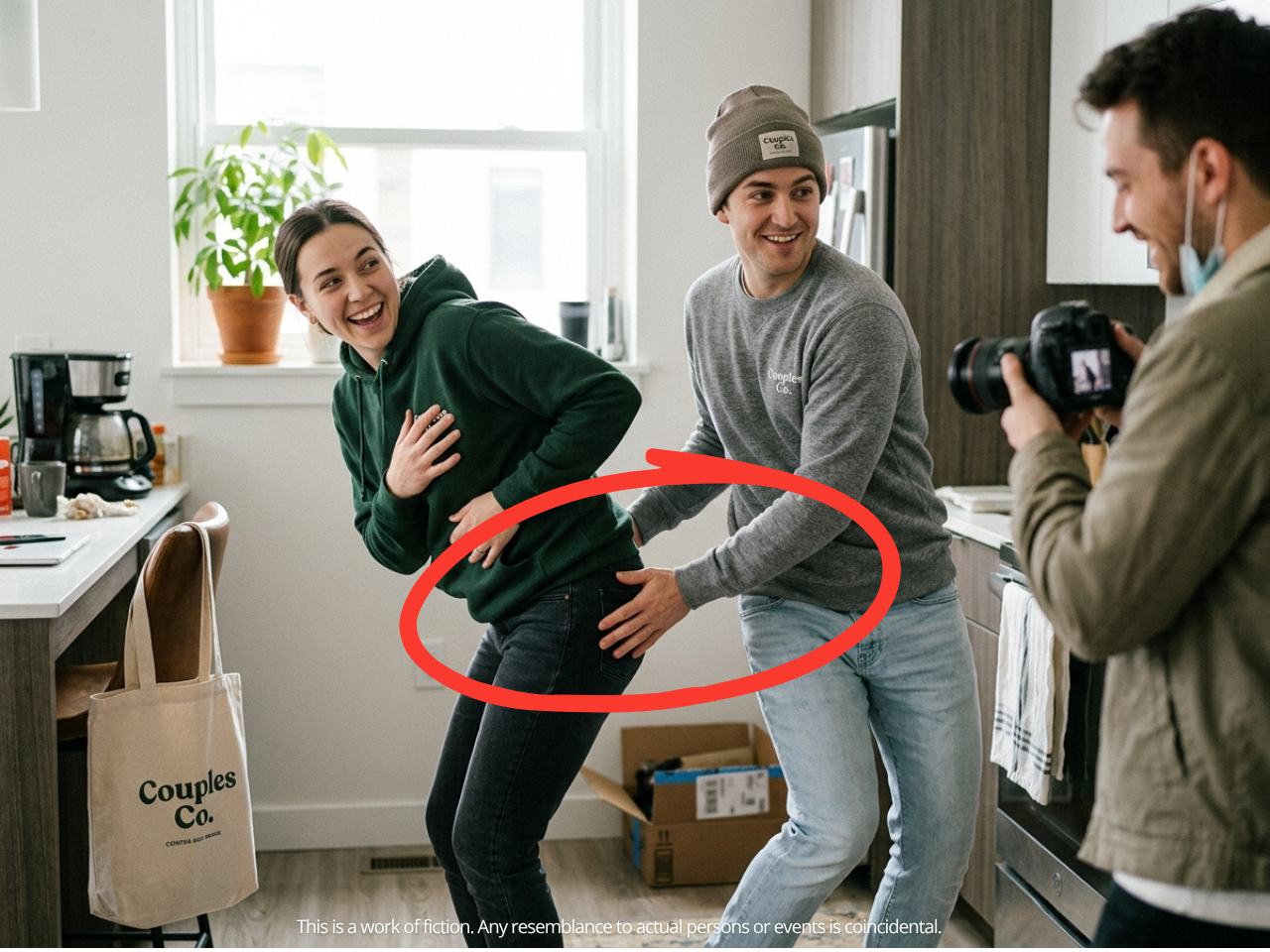
A couples lifestyle brand shoots a comedic beat where one partner gives the other a playful slap on the clothed lower body. Harmless, everyone's dressed, meant as a joke. Doesn't matter. That's a flirtatious movement under TikTok's sexually suggestive content rules, and suggestive content doesn't carve out an exception for jokes. Even if the couple are fully clothed and there is absolutely zero nudity, it will still get rejected 🙅.
Example:
🫦 Scenario 3, the product description voiceover.
A health or wellness brand uses a voiceover with anatomical language in a sexual context to describe what the product does. The product itself is completely legitimate (supplements, a sleep aid etc). It doesn't matter. As long as there is text or audio that directly describes or references specific sexual activity or body parts violates the policy regardless of how above-board the product is. Legitimate business but unfortunately an illegitimate script.
Example:
🫦 Scenario 4, the fitness pose.
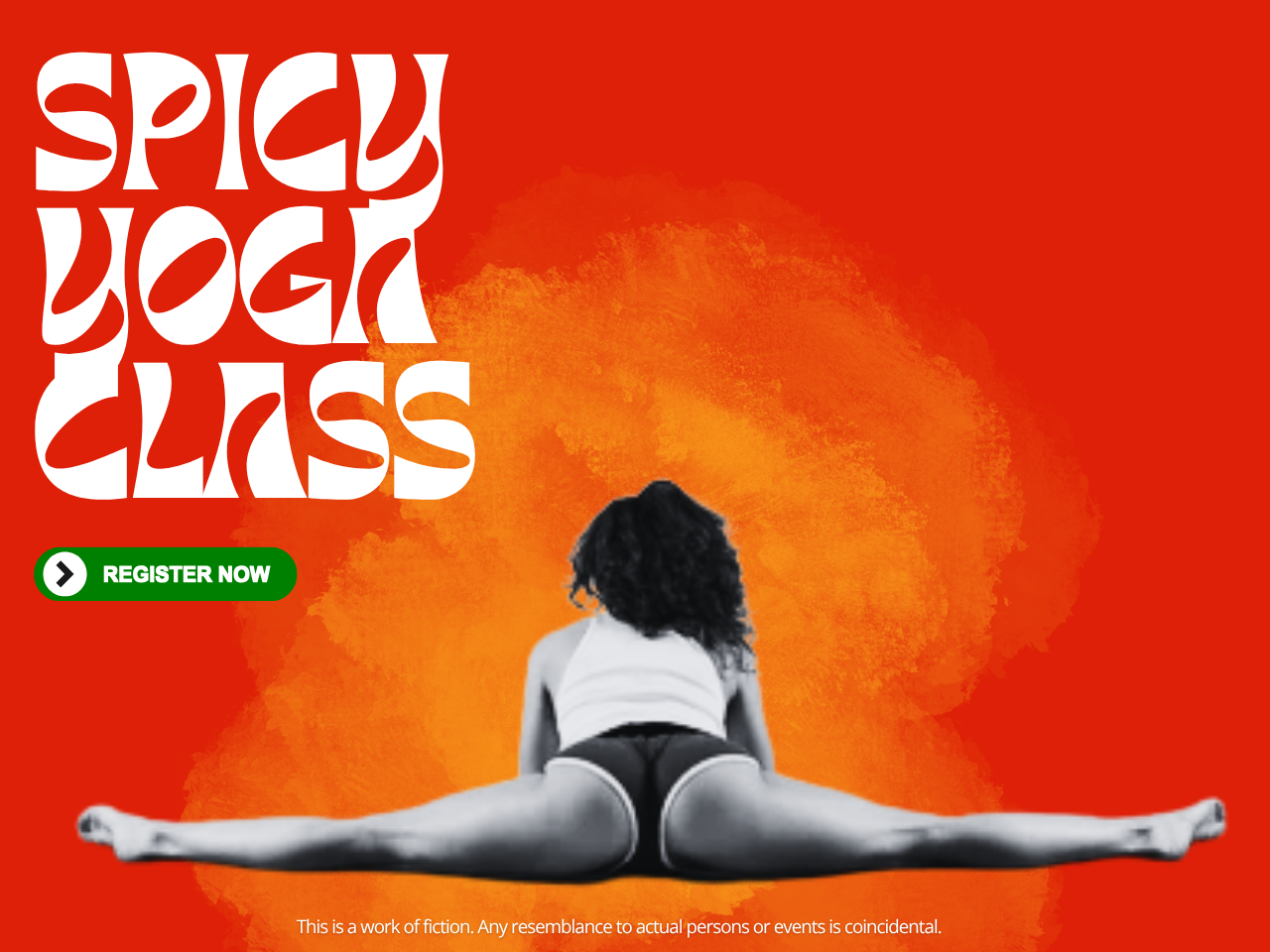
A yoga or fitness brand's ad features a pose that, fitness intent aside, visually mirrors a known sexual position. The prohibition covers imitating sexual positions outright - a sexually suggestive violation, not an explicit one, but still an automatic reject. Namaste all you want, the fitness framing doesn't buy an exemption if the visual matches the banned pattern especially so in a sensitive region like the Middle East 🙈
Example:
🫦 Scenario 5, the music choice.
A brand runs an ad using a trending audio track. Great hook, great energy, and the lyrics happen to contain sexually explicit language directly referencing sexual acts. The audio violation stands completely independent of the video, meaning the ad fails on sound alone even if every frame of footage is spotless. Review your lyrics before you use the track, not after the rejection notice lands in your inbox 😉 We get it the tune is catchy - but not worth a flag. For this specific example - and full disclaimer - IT IS A GREAT SONG. However the lyrics "you gotta rub me the right way" might trigger sexually explicit lyrics violation.
Example:
Why Do Good-Faith Brands Keep Tripping This Wire?

The physically suggestive prohibitions sound obvious when you read them in a list.
They catch legitimate brands constantly because these actions are baked into formats that feel completely native to the platform examples like:
- a dance creative lifted straight from organic trends and at first glance, does not look flirty
- fitness content where physical intensity is the whole point
- couple-focused storytelling with physical comedy
- entertainment ads with casual physical interaction
TikTok's own Common Reasons Ads Fail Review page lists "suggestive or sexually provocative scenes and behaviour" as a standalone rejection trigger, right alongside the usual suspects - this isn't a fringe reading of the policy, it's a named failure mode. If this is a recurring problem for your account, my breakdown of 2026's Top 10 Violation Triggers on TikTok covers the other nine.
The audio prohibitions catch brands for a different reason entirely and something an advertiser, creator or even a regular person wanting to boost their content would not expect. Trending audio gets used without anyone actually reading the lyrics cos you think they just sound catchy. Innocent right? 😅 Brand voiceover scripts drift into explicit territory without the creative team clocking it against policy. Wellness, beauty, and fitness copy regularly brushes up against the "directly references body parts" threshold without anyone intending it to.
So here's the real fix, and it's not a post-edit compliance check.
It's a policy-level creative brief review before production even starts.
Reshooting a locked video or re-recording a voiceover costs real money and real time and is definitely a lot more than catching it at script and choreography stage would have. If you want the fuller process, not just this list, I've mapped it out in Building a TikTok Ads Pre-Upload Compliance Workflow for Your Team.
The Pre-Upload Explicit Content Checklist
◻ No grinding, humping, or thrusting movements anywhere in the choreography, trending dance or not
◻ No rubbing, squeezing, pinching, spanking, or slapping of sensitive regions, clothed or otherwise
◻ No overtly sexual kissing
◻ No stripping or undressing on camera
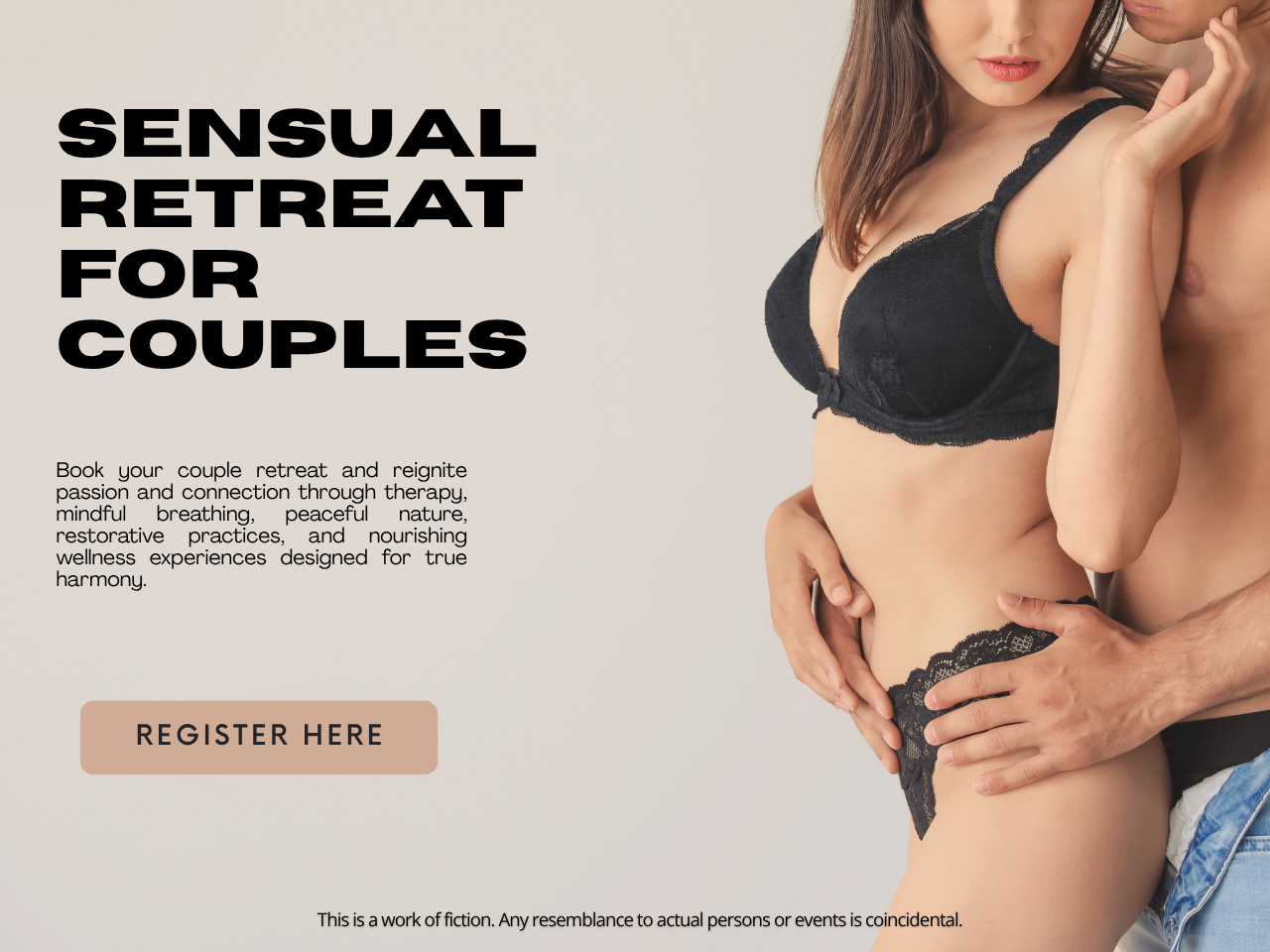
◻ No swimsuits, lingerie, or clothing that exposes or implies exposure of intimate areas
◻ No poses or acts that visually mirror a known sexual position
◻ Voiceover script reviewed line by line for direct sexual references and suggestive innuendo
◻ Text overlays checked for explicit or suggestive language
◻ Trending audio's actual lyrics reviewed, not just the vibe of the clip it came from
Frequently Asked Questions
Does the sexually suggestive content policy apply to clothed talent?
Yes. Every sexualized-body-position and flirtatious-movement prohibition applies no matter how much clothing is involved. Fully dressed is not a compliance strategy.
Can my ad fail because of the music even if my video is perfectly clean?
Yes. Sexually explicit audio is independently sufficient grounds for rejection, video content compliance be damned.
Does using a trending audio track mean it's automatically safe?
No. Trending on the organic side of TikTok carries zero compliance exemption once you're running it as a paid ad.
Can a voiceover script alone fail the policy?
Yes. Any text or audio directly referencing specific sexual activity, sexual body parts, or sexual products is its own standalone violation.
Is this policy different for Spark Ads versus in-feed ads?
Nope, same rules everywhere. TikTok's adult content prohibitions apply across every ad format, including Spark Ads boosted from creator accounts. No exceptions!
Did TikTok actually change this policy or is this just old news dressed up as new?
They refreshed the page in June 2026. The prohibited behaviours themselves didn't change, but the date on the page did, so if you're citing this policy in an appeal or a client deck, pull the live page!
What exactly counts as sexually suggestive content on TikTok ads?
TikTok names eight specific examples: overtly sexual kissing, sexualized body positions, flirtatious movements, stripping or undressing, swimsuits or lingerie that expose or imply exposure of intimate areas, sexually suggestive text or audio, and imitating sexual positions or sexual acts. It's a separate, wider violation from sexually explicit content, and it's the one that catches far more everyday campaigns than advertisers expect.
This article reflects TikTok's official policy guidelines as published at the time of writing. TikTok updates its policies regularly, so always refer to the TikTok Advertising Policies page for the latest information. First Review accepts no liability for changes made after publication.


