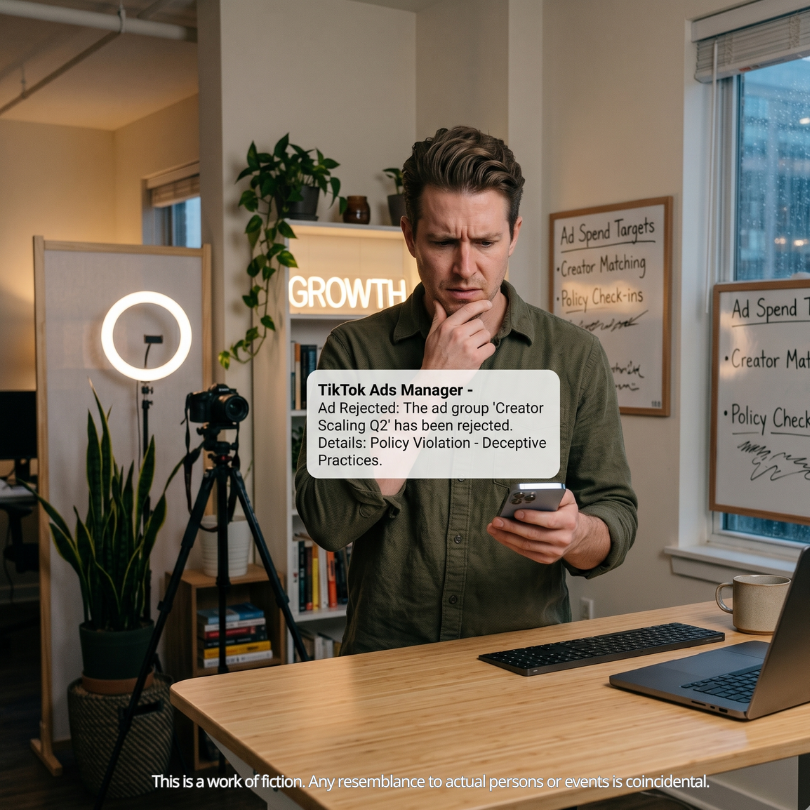
TikTok ad rejected? Here are the 10 most common reasons and the exact fix for each, from someone who used to personally review these ads for TikTok.
“Why Is My TikTok Ad Getting Rejected?” You’re Definitely Not Alone

Let's be real: getting a TikTok ad rejected is one of the most frustrating things that happens in digital marketing. You've spent time, creative energy, and actual money on a piece of content, hit submit, and TikTok throws it back at you with a reason code that tells you approximately nothing.
“Creative Policy Violation.”
Cool, thanks TikTok. Which part?
The hook? The CTA? The two-second background track? The font colour?
WHO KNOWS 🤷🏻♀️
Here's what's actually going on under the hood. In my experience, ad review runs two layers of checks: automated screening first, human moderation second. The automated layer is fast and catches the obvious stuff. Human review picks up the edge cases and the regulated categories.
As for timing, TikTok says most ads are reviewed within 24 hours. That is the only number TikTok publishes, so it is the only one I'll give you. If a blog has promised you "under an hour" or "24 to 72 hours", it is guessing.
Now let's get into the actual causes, and more importantly, how to fix them.
To give you a clear visual edge, we have custom-generated a series of images modeled after actual failed ads we've seen on the TikTok platform. Each visual is a direct representation of a specific TikTok policy violation that frequently trips up even the most seasoned creators.
Having spent years navigating the nuances of TikTok's Advertising Policies and moderating high volumes of content, we understand exactly where the “invisible lines” are drawn. You can trust our expertise to help you decode these complex guidelines, ensuring your next campaign is built for approval from the very first frame!
📊 TikTok's own Ad Review FAQs
What Actually Happens to Your Account When an Ad Gets Rejected?
Here's the thing nobody tells you upfront: one rejected ad is a nuisance, but a pattern of violations can put the whole account at risk. TikTok tracks this through Account Health, and the endgame is a suspension, not a slower review queue.
Paid media people call this getting “strikes” on your ad account. TikTok doesn't. The strike system TikTok does publish is for creators and organic content, which is a different animal. More on what actually applies to ad accounts below.
📊 TikTok's strike system for creators and users (organic content, not ad accounts)
The 10 Most Common Reasons TikTok Rejects Your Video Ads
1. Prohibited Content or Product Category

What's happening: Your ad is promoting something from TikTok's prohibited or restricted list, either because you didn't know, didn't get the required approval first, or assumed you'd be exempt.
Who this catches: Supplement and weight loss brands, financial services, gambling platforms, and alcohol advertisers who launch campaigns without checking what their category requires first. Some restricted categories need licences, certification or a market-specific approval before you can run a single ad, and that takes time.
The fix:
- Check TikTok's Advertising Policies prohibited and restricted category lists before building anything
- For restricted categories, read that category's own policy page first. It tells you which licences, certifications or market lists apply before your first ad goes live
- Build a buffer into your launch timeline. Licence checks and approvals take as long as they take, and TikTok doesn't publish a standard turnaround
2. Misleading or Unsubstantiated Claims
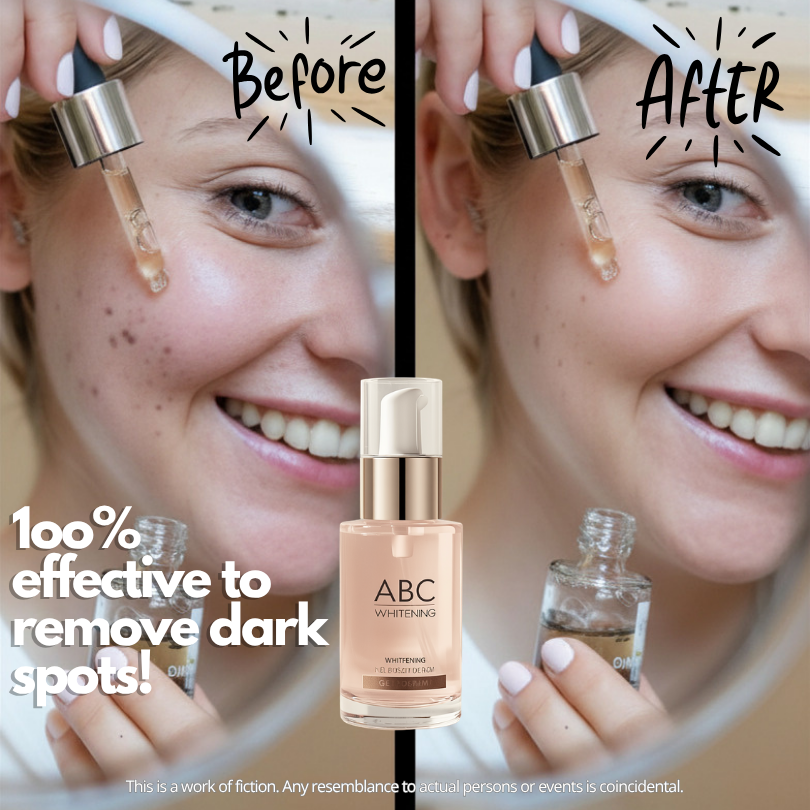
Here's an image (AI generated) of common ads that we have moderated before that are almost always rejected.
What's happening: You're making promises your ad can't back up, or using language that implies guaranteed outcomes.
The real talk version: TikTok's Misleading and False Content policy says your ads and landing pages must not promise or exaggerate results. “Guaranteed results” and “100% effective” are exactly that. “Clinically proven” and “cures” aren't named on that page, but they are exaggerated-result claims waiting to happen, and in my experience reviewers treat them that way. Health, beauty, finance, and supplement brands, this one is coming for you, and it's not subtle.

And don't just fix the video. Your headline, description copy, and landing page all count. Fix all of them.
3. Competing Platform Watermarks
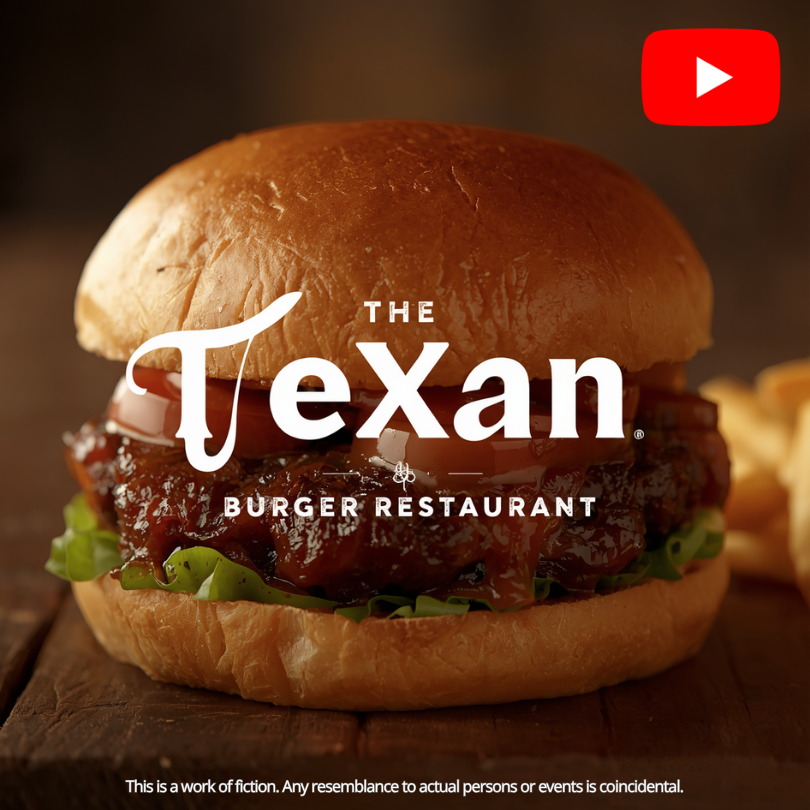
What's happening: Your video has Instagram, YouTube, Snapchat, or any other platform's branding or watermark visible in the frame.
How it usually goes: You've been crushing it on Reels. The content is performing. You repurpose it for TikTok ads and forget there's an Instagram handle in the corner or a “Reels” label baked into the export. TikTok clocks it.
The fix: Re-edit in a neutral editor (CapCut, Premiere Pro, DaVinci Resolve) and export clean from your original footage. TikTok's Ad Format and Functionality policy prohibits third-party watermarks, including blurred or masked ones, so smudging a blur over the logo is not a fix. Do a frame-by-frame spot check on any repurposed content.
4. Non-Compliant Audio / Copyright Violation

What's happening: The music in your ad isn't licensed for commercial advertising use.
The part creators always miss: That trending TikTok sound with 8 million organic uses? The one you've been successfully using in your organic content? Not licensed for ads. TikTok's standard sound library covers organic, non-commercial use. The moment you put paid spend behind content, a different licensing framework applies, and most trending sounds don't qualify.
The fix: Use TikTok's Commercial Music Library. Every track in it is cleared for commercial use, so don't swap in a trending sound from the app at the last minute.
5. Low Video Quality
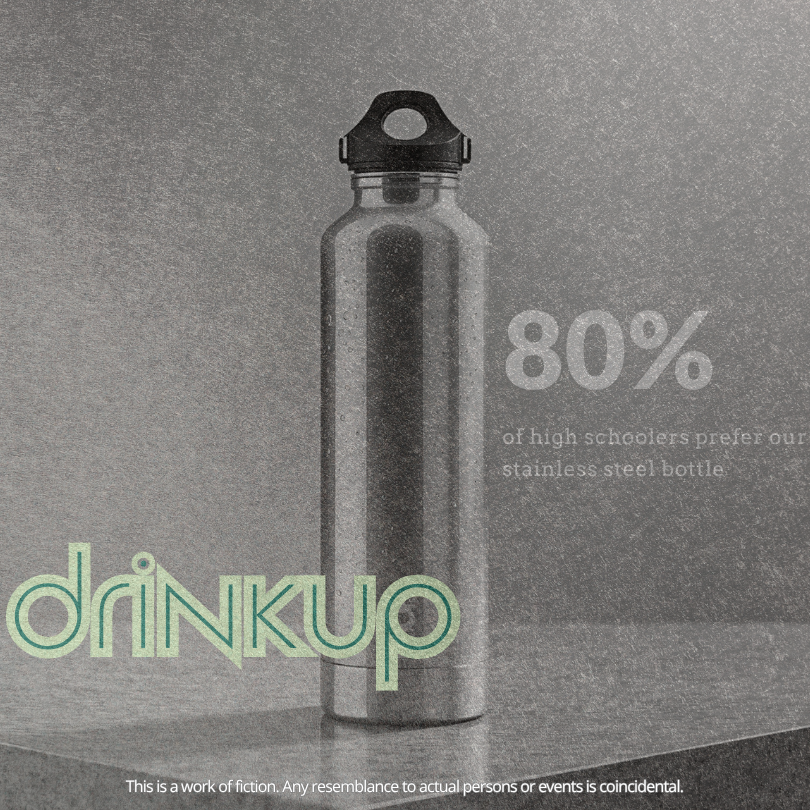
What's happening: Your creative is pixelated, grainy, poorly lit, or just doesn't meet the spec, even if it looks fine on your phone.
The fix: Shoot in good lighting. Check your file against the Ad Format and Functionality policy: the video needs to run 5 to 60 seconds, have clear audio, and use a 9:16, 1:1 or 16:9 aspect ratio. Export at the highest resolution your chosen ratio supports. If the file is too big, trim the video rather than crushing the quality, because pixelated ads underperform even when they get approved.
6. Misleading or Non-Compliant Landing Page

What's happening: Your landing page doesn't match the ad. It redirects somewhere unexpected, it's broken, or it escalates the claims beyond what your ad actually says.
The scenario that catches people out: Your ad says “try our weight management supplement.” Your landing page headline says “clinically proven to melt fat in 14 days.” TikTok's policies cover both the ad and the page. The video passes. The page fails. The ad gets rejected anyway.
The fix:
- Test every CTA destination before submitting
- Audit your landing page copy against the exact language in your ad creative
- Make sure the page actually loads and works on mobile
- Keep the page claims at or below what the ad says, never above
7. Missing Industry Disclosures
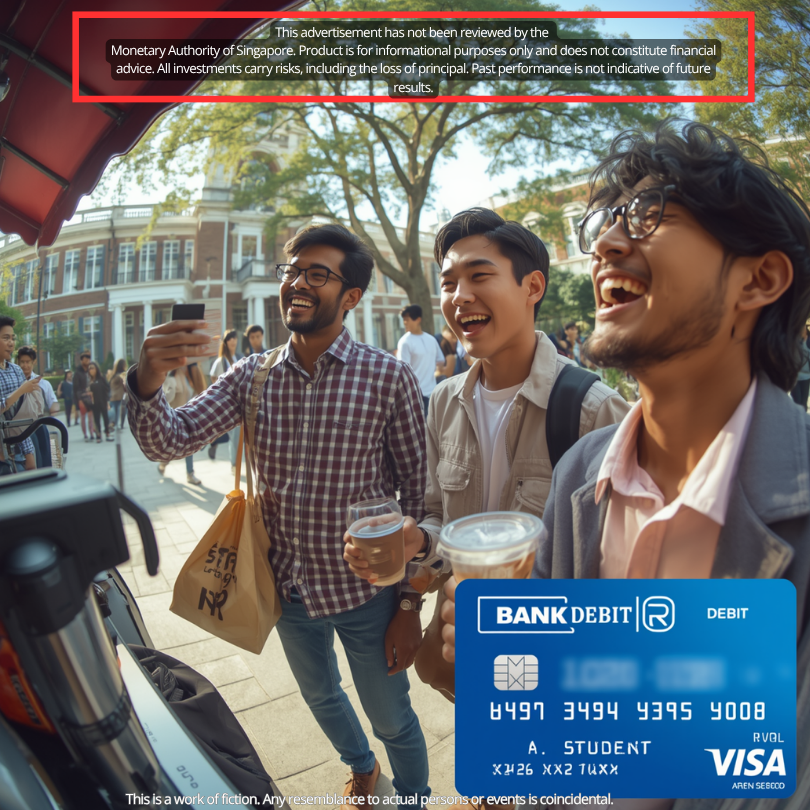
What's happening: You're operating in a regulated vertical and running ads without the licences, disclaimers or approvals that vertical needs.
Where to check by industry:
IndustryWhat to check in TikTok's policyFinancial productsLicensing and regulatory status by market. Ads must also mention the risk (see Deceptive Practices)Weight management and supplementsMarket-by-market lists, plus age and licensing conditionsHealthcare and pharmaceuticalsHighly market-specific, so read it before you build anythingAlcoholLicences, a responsible drinking message, and nobody under 25 in the contentGamblingSpecified markets only, and you must go through TikTok's certification process
Unsure? Now is a good time to refresh yourself on the Financial Services policy for TikTok 👆
8. Overly Aggressive or Manipulative Creative

What's happening: Your creative leans on fear-based messaging, shocking imagery, or psychological pressure tactics designed to force action.
What this looks like: Dramatic before/after imagery implying guaranteed overnight transformation, “your skin is failing and only we can save it” messaging, or manufactured scarcity that's clearly invented (“Only 2 left - this deal ends in 10 minutes!”). The first two run straight into the Misleading and False Content policy, which bars before-and-after comparisons and exaggerated results. Fake urgency isn't named on that page, so that one is my experience talking, not TikTok's rulebook.
The fix: Flip the script from fear to aspiration. “Imagine waking up to visibly clearer skin” lands the same insight as “your skin is broken” without the manipulation flag. Same audience psychology, better compliance.
9. Incorrect or Invalid CTA
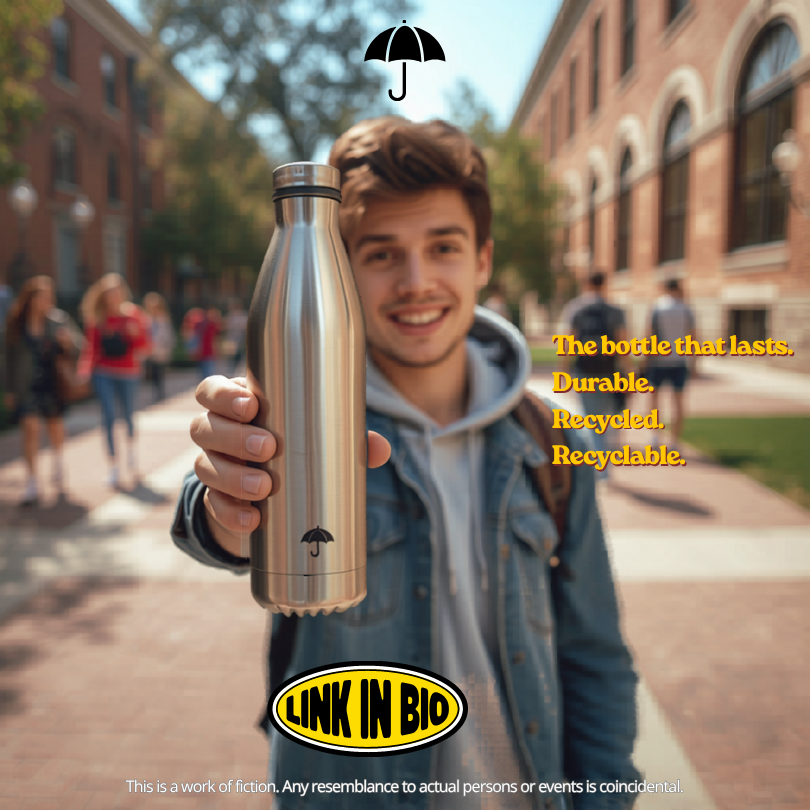
What's happening: Your CTA doesn't match the actual destination, or you've used language that only makes sense in organic content or on another platform.
The classic trap: “Swipe up to learn more.” That exact phrase is the prohibited example in TikTok's Ad Format and Functionality policy. “Click the link in bio” (see example image) isn't named there, but it's the same species of mistake: an organic creator instruction with no meaning in a paid ad. Don't test it with your budget.
The fix: Make your CTA match what the user actually experiences when they click, and make sure it matches the landing page. “Shop Now,” “Learn More,” “Sign Up,” “Download”: pick the one that matches reality, not the one that sounds most compelling.
10. Policy Violations in Ad Copy Fields

What's happening: Your video is clean, but your headline, description, or CTA text in Ads Manager contains prohibited language.
Why this catches people: Creators spend 95% of their energy on the video itself and rush through the copy fields in Ads Manager at submission. Those fields get held to the exact same content policy standards as the video.
The fix: After reviewing your video, go back through every text field in your campaign setup. Headline, description, CTA, all of it. Apply the same claim language standards to the copy that you applied to the creative.
Does TikTok Give Ad Accounts “Strikes”?
Short answer: not officially. “Strikes” is a YouTube-ism the paid media crowd borrowed. TikTok's account suspension FAQ talks about Account Health instead, and the consequences are blunter than a strike counter:
- An Account Health status of Poor leads to suspension
- Severe violations can mean immediate suspension, no warm-up round
- After a first violation you get 30 days to fix the issue or appeal. Miss that window and the suspension becomes permanent, with no appeal left
📊 TikTok Account Suspension FAQ
If you think a single rejection is wrong, use One Click Appeal in Ads Manager. Explain what you changed, attach your evidence, and don't edit the ad after you submit.
For agencies managing multiple clients: this is my advice, not TikTok's. Keep client campaigns in separate ad accounts, so one client's compliance mess can't take down another client's account.
Your Rejection-Prevention Checklist (Use This Every Time)
Before submitting any creative to TikTok Ads Manager:
Content Policy:
◻ No prohibited or restricted categories without meeting that category's requirements
◻ All claims are qualified, with no absolute language and no guaranteed outcomes
◻ No competing platform watermarks anywhere in the video, blurred or not
◻ Audio sourced from TikTok's Commercial Music Library or original/licensed audio
◻ Landing page matches ad messaging and actually works
◻ Industry licences and disclaimers included where your vertical requires them
Technical:
◻ Aspect ratio of 9:16, 1:1 or 16:9
◻ 5 to 60 seconds duration
◻ Clear audio track present
◻ Static images fill no more than 50% of the video
Copy & CTA:
◻ No policy-violating terms in headline or description fields
◻ CTA button matches the actual destination
◻ No “swipe up”, “link in bio” or other organic-only CTA language
Frequently Asked Questions
How long does TikTok take to review an ad?
TikTok says most ads are reviewed within 24 hours. That is the only timing figure TikTok publishes, so treat any blog promising an exact number of minutes or days as a guess. If you think a rejection is wrong, you can appeal it in Ads Manager with One Click Appeal, and TikTok aims to respond within 24 hours.
Why do TikTok ads get rejected even with clean creative?
Because TikTok reviews your headline, description, CTA text, and landing page as well as the video itself. A perfectly compliant video can still get rejected if the ad copy fields contain prohibited language or the landing page escalates claims beyond what the video says.
Can competing platform watermarks get a TikTok ad rejected?
Yes. TikTok's Ad Format policy prohibits third-party watermarks, including blurred or masked ones. Re-export from your original footage instead of blurring the logo.
Does TikTok use strikes for ad accounts?
Not officially. TikTok's account suspension FAQ talks about Account Health instead. A Poor Account Health status leads to suspension, severe violations can lead to immediate suspension, and after a first violation you get 30 days to fix the issue or appeal before the suspension becomes permanent.
Why would a TikTok ad get rejected for the landing page instead of the video?
TikTok's policies apply to your ad creative and your landing page. If your ad says “try our supplement” but the landing page headline says “clinically proven results,” the video can pass while the page fails, and the ad gets rejected anyway.
Last reviewed: 22 October 2026, against TikTok's Ad Format and Functionality, Misleading and False Content, Ad Review FAQ and Account Suspension FAQ pages.
This article reflects TikTok's official policy guidelines as published at the time of writing. TikTok updates its policies regularly, so always refer to the TikTok Advertising Policies page for the latest information. First Review accepts no liability for changes made after publication.


